








Your cart is currently empty.
🍁 Thanksgiving Sale | Free Shipping + No Tax

SEO focus: back-to-school e-bike, student e-bike safety, commuter e-bike, electric bike for students, helmet safety, and campus riding.
Back-to-school season is a practical time for families to rethink transportation. Students need a reliable way to get to class, work, sports, libraries, coffee shops, and nearby housing. Parents want that transportation to be safe, affordable, and manageable. For many families, an electric bike can look like the right answer: faster than walking, cheaper than driving, and more flexible than waiting for a shuttle or rideshare.
But an e-bike is not a toy. It is a powered vehicle that requires judgment, maintenance, protective gear, and awareness of local rules. Before a student starts riding to school or around campus, families should understand helmets, speed control, traffic behavior, battery care, theft prevention, and whether the bike is actually appropriate for the rider’s age, route, and ability.
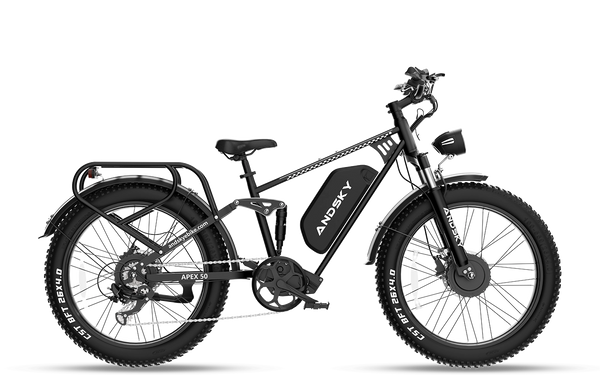
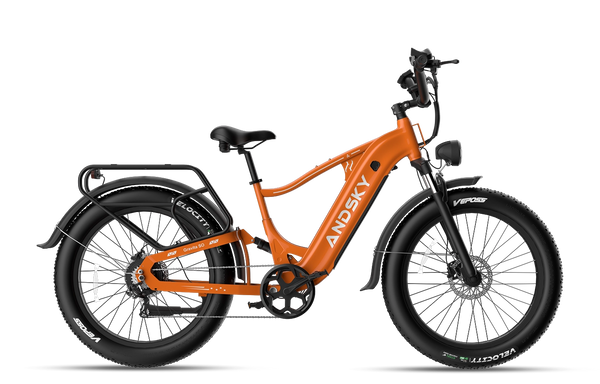
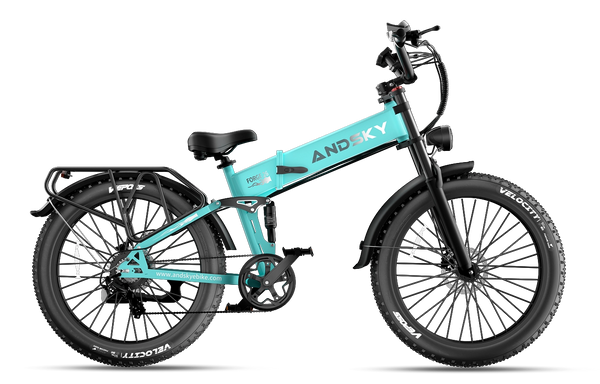
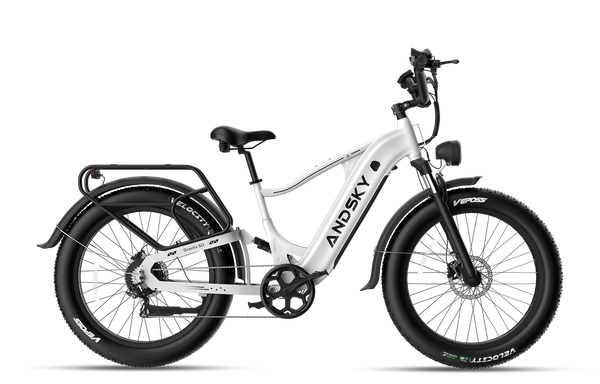
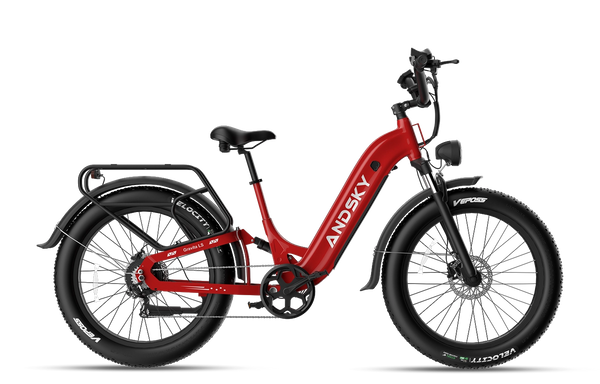
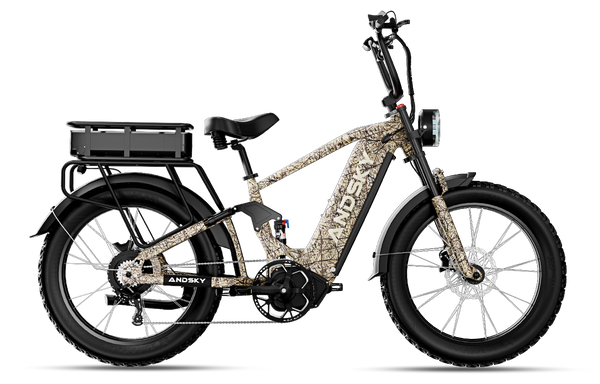
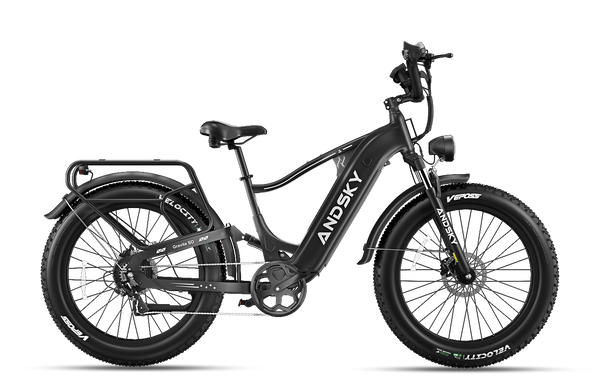
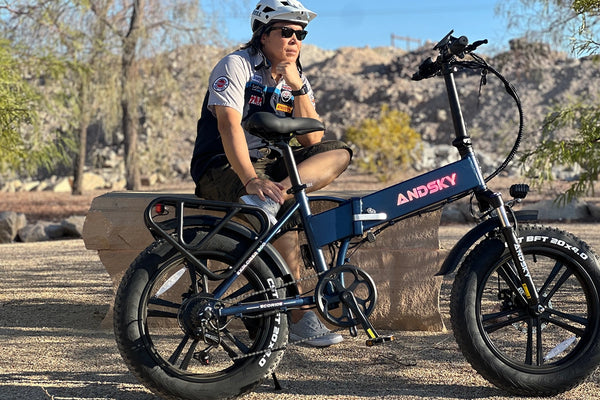
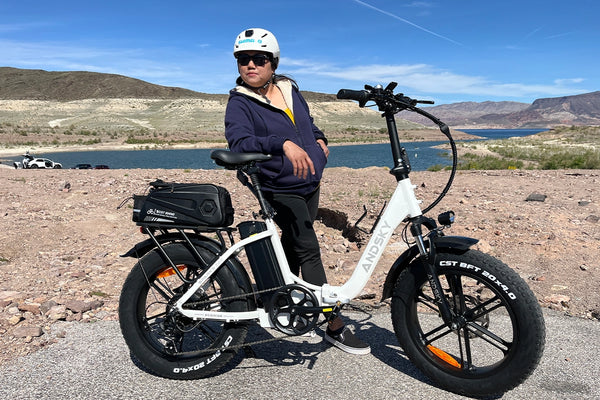
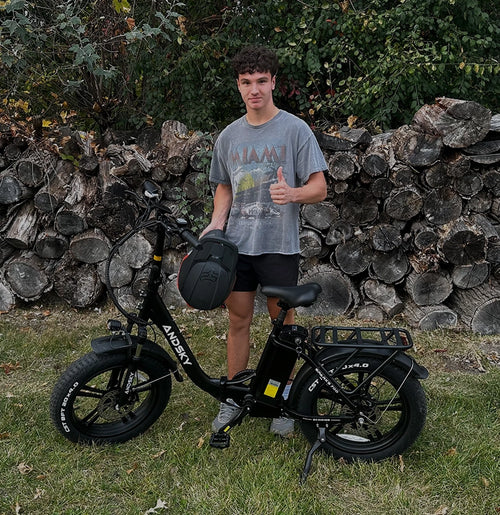
For andskyebike shoppers, this topic matters because many riders use fat tire and commuter-style e-bikes for real daily transportation. A stable electric bike can be useful for students and families, but safety decisions should come before convenience.
School and campus travel creates repetitive short trips. A student may travel from home to school, from class to work, from campus to a grocery store, or from an apartment to a library. Driving every short trip can be expensive and inconvenient. Walking can take too long. Public transportation may not match class schedules.
An e-bike helps solve that mobility gap. Electric assist reduces the effort needed for hills, headwinds, and longer routes. It also makes it easier for a student to arrive without being exhausted or sweaty. For families trying to reduce car use, a commuter e-bike can be a practical local transportation tool.
However, the decision should be based on readiness, not only convenience. A student rider needs enough maturity to follow traffic rules, control speed, park securely, and maintain the bike responsibly.
E-bike rules vary by state, city, trail system, school district, and campus. Some areas classify e-bikes by speed and throttle use. Some campuses restrict where e-bikes can be ridden or parked. Some locations require riders to walk bikes in crowded zones. Age limits and helmet rules can also vary.
Parents should check local rules before purchasing. Look for information from the city transportation department, school district, college campus, park authority, or state e-bike law page. Do not assume that every e-bike is allowed everywhere a regular bicycle is allowed.
This is especially important for younger riders. A bike that is legal for an adult commuter may not be appropriate for a teen student depending on local regulations and route conditions.
A properly fitted helmet should be required for every ride. Electric bikes can travel faster than traditional bicycles with less effort, which makes head protection essential. The helmet should sit level on the head, cover the forehead, and stay secure when the rider moves.
Parents should not treat helmet use as optional or situational. The safest rule is simple: no helmet, no ride. Riders should also avoid wearing headphones that block surrounding traffic sounds. Awareness is part of safety.
For visibility, consider helmets with reflective details or rear lights, especially for early morning, evening, or cloudy weather rides.
Many students are interested in how fast an e-bike can go. Parents should focus on how well the rider can control the bike at safe speeds. A student commuting through neighborhoods, campus paths, and crowded school zones should not ride aggressively.
Lower assist levels are often better for crowded areas. Riders should slow down around pedestrians, parked cars, driveways, intersections, crosswalks, and school entrances. Sudden acceleration can surprise pedestrians and reduce reaction time.
A good student e-bike should feel stable and predictable. The rider should practice starting, stopping, turning, and braking before using the bike in traffic or crowded areas.
Student routes often include imperfect surfaces: cracked pavement, gravel paths, campus bricks, curb cuts, road shoulders, and wet leaves. A stable bike can help riders feel more confident and reduce overcorrection on rough surfaces.
Fat tire e-bikes can be useful because wider tires provide a larger contact patch with the ground. This can improve comfort and confidence on mixed surfaces. That does not replace safe riding, but it can make the bike feel more planted than a narrow tire option.
andskyebike fat tire models are relevant for riders who need a bike that can handle real roads, not only perfect bike lanes.
Students should learn a short checklist before each ride. It does not need to be complicated, but it should be consistent:
This routine takes less than a minute. It helps catch small problems before they become dangerous or inconvenient.
Battery care should be part of the family conversation. Students should use the correct charger, charge in a dry and ventilated place, and avoid charging wet components. They should not leave a battery in direct sun, inside a hot car, or near water.
Parents should also decide where charging is allowed. Dorms, apartments, and school facilities may have rules about e-bike charging or battery storage. Follow those rules carefully.
If the battery feels unusually hot, smells strange, appears damaged, or has charging problems, stop using it and contact support or a qualified service provider.
Schools and campuses are high-risk areas for bike theft because bikes are parked for long periods. A basic cable lock is usually not enough for an electric bike. Use a quality U-lock or heavy-duty chain lock, and lock the frame to a fixed rack.
For longer stops, remove the battery if practical. Take removable accessories such as lights, bags, and phone mounts. Record the bike’s serial number and keep photos of the bike for documentation.
A good security routine helps protect the family’s investment and prevents disruption to the student’s transportation.
The right student e-bike depends on route, storage, rider size, and local rules. If the rider must carry the bike upstairs every day, weight matters. If the route includes rough pavement, hills, and mixed surfaces, stability and battery range matter more. If the bike will be used for errands, a rack or bag system is useful.
Parents should avoid buying only by top speed or lowest price. A better approach is to compare braking, stability, fit, battery range, lighting, tire comfort, and service support.
andskyebike is a strong option for riders who want stable commuting, mixed-surface capability, and practical everyday use.
An e-bike may not be appropriate if the student is not ready to follow traffic rules, wear a helmet, lock the bike properly, or ride at safe speeds. It may also be unsuitable if the route has dangerous traffic conditions, no safe parking, or local restrictions that limit e-bike use.
In those cases, a traditional bike, school transportation, or a different route may be better. Safety should define the choice.
This article was selected around current seasonal search intent for back-to-school transportation, student e-bike safety, commuter e-bikes, and parent buying decisions. The topic is distinct from general campus commuting because it focuses on safety rules, rider readiness, charging, theft prevention, and parent decision-making.
An e-bike can be a useful back-to-school transportation tool, but it should be introduced with clear rules. Parents should check local laws, require helmets, teach speed control, plan safe routes, and make locking and charging routines non-negotiable.
For families that need stable, practical transportation, andskyebike offers electric bikes built for real roads and daily use. The best choice is not just the fastest bike. It is the one the student can ride responsibly, maintain properly, and use safely every day.
Yes, if the student is mature enough to follow traffic rules, wear a helmet, control speed, lock the bike properly, and follow local e-bike regulations.
Yes. A properly fitted helmet should be required for every e-bike ride.
It depends on the campus. Some schools allow e-bikes, while others restrict where they can be ridden or parked. Check school rules first.
A stable, properly sized e-bike with reliable brakes, good lights, manageable assist levels, and enough range for the route is usually best.
andskyebike can be suitable for student commuting when the rider follows safety rules and needs a stable e-bike for real roads, mixed surfaces, and daily transportation.
Stay updated with the latest news and exciting updates from Andskyebike!







Share:
Long-Range E-Bike Buyer Guide: When a Dual-Battery Electric Bike Makes Sense